
Metabolic Fundamentals: How Your Body Uses Energy
Understanding Metabolism
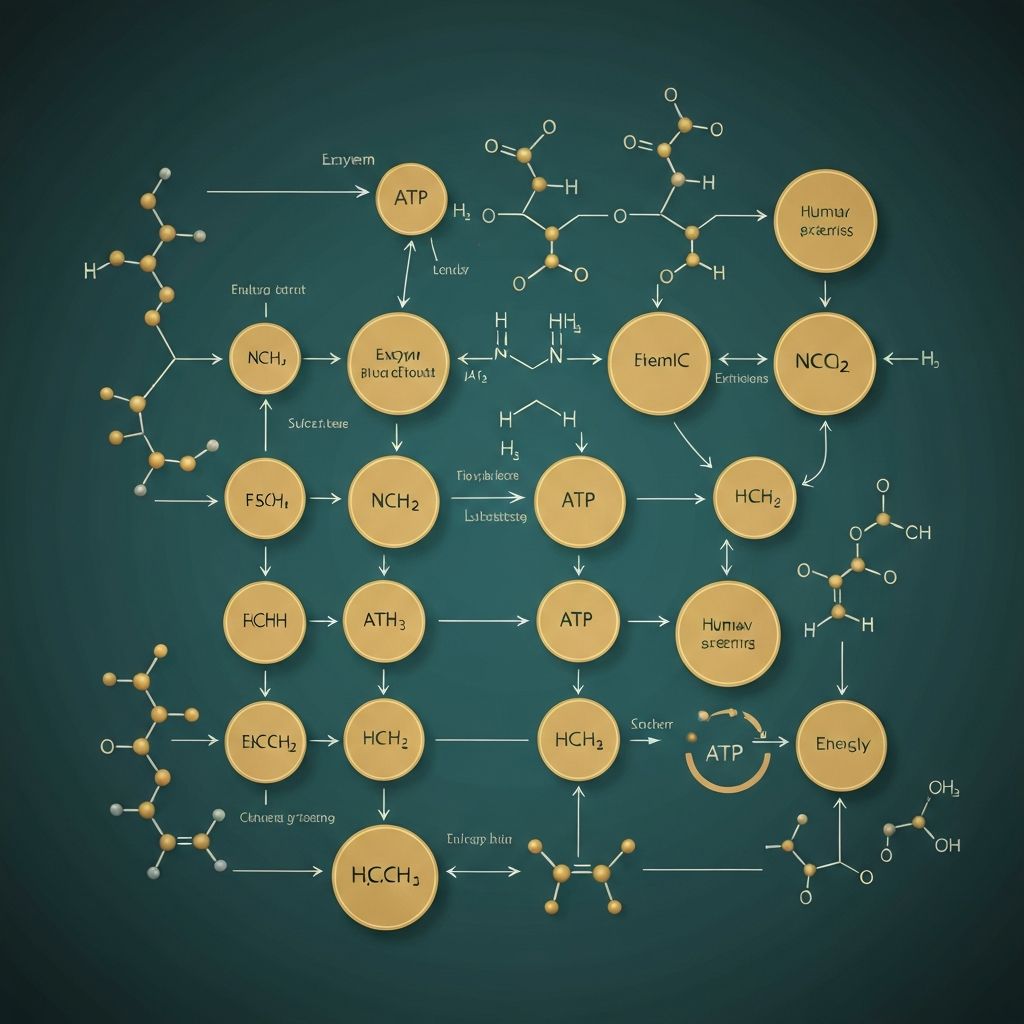
Metabolism refers to all the biochemical processes your body uses to maintain life and function. At its core, metabolism is about energy: how your body converts food into usable energy, how it stores energy, and how it expends energy throughout the day.
Basal Metabolic Rate (BMR)
Your basal metabolic rate is the amount of energy your body requires at rest to maintain basic physiological functions—breathing, circulation, cellular processes, and maintaining body temperature. BMR accounts for approximately 60-75% of total daily energy expenditure in sedentary individuals.
BMR is influenced by several factors: body composition (muscle tissue requires more energy than fat tissue), age (metabolism tends to decrease with age), genetics, hormones, and individual metabolic efficiency.
Total Daily Energy Expenditure (TDEE)
Total daily energy expenditure comprises three main components:
- Basal Metabolic Rate (60-75%): Energy for basic body functions at rest
- Thermic Effect of Food (10%): Energy required to digest, absorb, and process nutrients
- Activity Energy Expenditure (15-30%): Energy expended during exercise and daily movement
Energy Balance
Energy balance is the relationship between energy consumed (through food and drink) and energy expended (through metabolic processes and activity). This balance is fundamental to understanding weight management.
When energy intake equals energy expenditure, body weight remains stable. When intake exceeds expenditure, excess energy is stored, primarily as body fat. When expenditure exceeds intake, the body mobilizes stored energy to meet its needs.
Hormonal Regulation
Metabolism is tightly regulated by hormones, particularly insulin, glucagon, thyroid hormones, and leptin. These hormones influence hunger, satiety, energy storage, and energy mobilization.
Understanding these fundamental principles helps explain why weight management is complex: It involves not just "calories in vs. calories out," but also hormonal signaling, metabolic efficiency, food composition, physical activity patterns, and individual biological variation.
Key Takeaways
- Metabolism is the process by which your body converts food into energy and maintains physiological functions
- Basal metabolic rate is the energy required for basic body functions at rest
- Total daily energy expenditure includes basal metabolism, food thermic effect, and activity
- Energy balance—the relationship between intake and expenditure—influences weight stability
- Metabolic processes are regulated by complex hormonal systems
- Individual variation in metabolism means approaches must account for biological differences
Important Disclaimer
This website provides general information about human metabolism and weight management for educational purposes only. It is not intended as medical advice, diagnosis, or treatment for any individual condition. The materials presented here are for informational use and should not be used to replace professional medical advice from a qualified healthcare provider. Approaches to health and weight management vary widely, and individual circumstances require personalized attention from medical or nutritional professionals. This site does not offer individual recommendations or influence personal health decisions.